CFFSI

CFFSI

Sinus Treatment in Singapore: What Actually Works for Chronic Congestion?
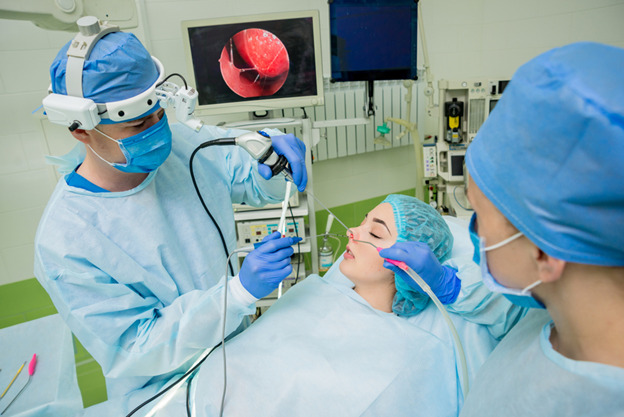
Sinus Treatment in Singapore - What Actually Works for Chronic Congestion

Sinus Treatment in Singapore: What Actually Works for Chronic Congestion?

Chronic congestion can be exhausting. A persistent blocked nose can last for weeks and affect sleep, focus, and even your sense of smell. In Singapore, where air-conditioning, humidity, dust exposure, and seasonal haze can all irritate the nose, persistent nasal blockage is common—but it should not be normalised.

The most important thing to know is this: “sinus” symptoms are not always caused by an infection. Chronic congestion can come from allergies, long-term inflammation, nasal polyps, structural narrowing (such as a deviated septum), or a combination of factors. Because the cause varies, the most effective sinus treatment is the one matched to your diagnosis.

This guide explains what actually works, what to avoid, when to see an ENT specialist/ENT doctor, and what to expect at an ENT clinic.

Understanding chronic congestion: when is it more than a cold?

A cold-related blocked nose usually improves within 7–10 days. If symptoms last longer or keep returning, you may be dealing with a chronic condition.

Common symptoms include:

  • Persistent blocked nose (one or both sides)

  • Facial pressure around cheeks, eyes, or forehead

  • Thick mucus or frequent throat clearing

  • Post-nasal drip

  • Reduced smell or taste

  • Snoring, mouth breathing, or poor sleep

If symptoms persist beyond 2–3 weeks, or if you feel congested more days than not, it is worth considering a targeted assessment and treatment plan.

Why is chronic congestion common in Singapore

Several local factors can contribute to ongoing nasal inflammation:

  • Air-conditioning: dry, cold air may irritate nasal tissues and worsen blockage for some people.

  • Dust exposure: indoor triggers (including dust mites) may worsen allergic rhinitis.

  • Urban irritants: pollution, smoke, strong fragrances, and cleaning chemicals can trigger non-allergic rhinitis.

  • Haze episodes: Poor air quality can aggravate nasal lining and sinus symptoms.

These triggers do not mean chronic congestion is unavoidable—they simply mean treatment often needs consistency and correct technique.

Why is chronic congestion common in Singapore

Sinus treatment that actually works for chronic congestion

Saline rinses: the foundation of effective sinus care

Saline rinses are one of the most reliable first-line tools for chronic congestion. They can help by:

  • clearing thick mucus

  • reducing irritants and allergens

  • improving post-nasal drip

  • helping medicated sprays work more effectively

Best practice: use a rinse kit or squeeze bottle (often more effective than a light mist), and use safe water preparation (sterile/distilled water or boiled and cooled water).

Saline alone may not solve the underlying cause, but it often reduces daily symptoms and improves the results of other treatments.

Steroid nasal sprays: the long-term treatment for inflammation

For chronic congestion linked to inflammation (common in allergic rhinitis and chronic sinusitis), steroid nasal sprays are frequently a core treatment because they:

  • reduce internal swelling

  • open airflow pathways

  • improve sinus drainage

  • support recovery of smell in suitable cases

Key point: steroid sprays are not instant. Many people need consistent use for 2–6 weeks before noticing substantial improvement.

Technique matters (and affects outcomes):

  • aim slightly outward (towards the ear on the same side), not directly up the middle

  • Use regularly, not only when symptoms flare.

  • Avoid hard sniffing immediately after spraying.

When used correctly, steroid sprays are among the most effective options for long-term symptom control.

Antihistamines and allergy control: best when allergies are involved

If congestion comes with sneezing, itchiness, watery discharge, or clear triggers (dust, pets, certain rooms), allergies may be driving the symptoms. Antihistamines can help—especially for sneezing and itch—but congestion often improves more when combined with:

  • steroid nasal sprays

  • saline rinses

  • practical trigger reduction

In Singapore, dust exposure can be a frequent trigger. Helpful measures may include regular bedding hygiene and reducing dust-trapping items in sleeping areas.

Chronic sinusitis treatment: when inflammation persists inside the sinuses

Chronic sinusitis often involves ongoing inflammation rather than a simple infection. A practical treatment approach usually includes:

  • saline rinses + steroid sprays as a consistent baseline

  • targeted medication changes depending on severity and findings

  • addressing contributing factors such as allergies, nasal polyps, or reflux when relevant

Important: repeated antibiotics are not always the answer. Antibiotics are useful when bacterial infection is strongly suspected, but chronic congestion is commonly inflammatory.

Decongestants: short-term help, not a long-term plan

Decongestants can reduce swelling temporarily, but they are not a long-term solution for chronic congestion.

Caution with decongestant nasal sprays: using them beyond a few days can lead to rebound congestion, where the nose becomes even more blocked once the spray wears off.

If you feel dependent on a decongestant spray to breathe normally, it is a strong reason to see an ENT doctor for safer, structured treatment.
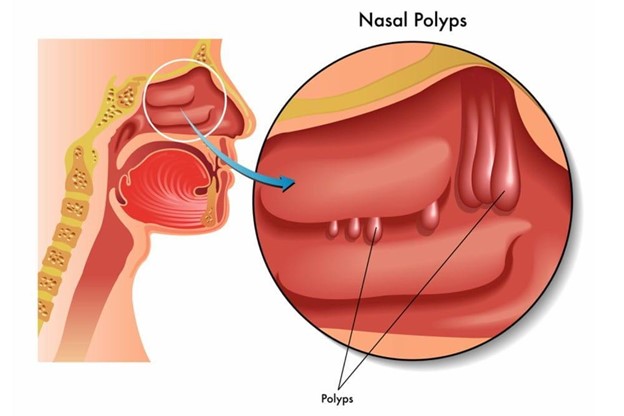
Nasal Polyps

Sinus treatment for nasal polyps and recurring blockage

Nasal polyps are soft, non-cancerous growths that can block airflow and reduce smell. They often require more targeted treatment than “standard congestion care.

A sinus specialist may recommend:

  • steroid nasal sprays (often central to polyp control)

  • Saline rinses to reduce mucus and improve the delivery of medication

  • additional medical treatment depending on severity

  • nasal endoscopy and sometimes a CT scan to confirm the extent

If polyps are large or recurring, sinus surgery may be discussed as a way to improve airflow and drainage and help ongoing medical therapy work better.

Structural causes: when medication is not enough

Some people have chronic congestion mainly due to structure, such as:

  • deviated septum

  • enlarged turbinates

  • narrowed nasal airflow pathways

Clues that structure may be a major factor:

  • One side feels consistently blocked

  • Symptoms worsen when lying down.

  • minimal allergy symptoms, but airflow still feels restricted

  • limited improvement despite correct medical treatment

An ENT clinic assessment can identify whether a structural issue is contributing and whether procedural options may be appropriate.

When to see an ENT specialist or sinus doctor in Singapore

Consider an ENT clinic appointment if:

  • Congestion lasts more than 2–3 weeks with little improvement

  • Symptoms recur frequently or feel “never-ending.”
    You have facial pressure, post-nasal drip, or reduced smell.l

  • Congestion disrupts sleep (snoring, mouth breathing, fatigue)

  • You have used multiple courses of treatment without lasting relief.

Seek urgent assessment if you have:

  • swelling around the eyes, vision changes, or a severe headache

  • high fever with worsening symptoms

  • heavy nosebleeds or alarming one-sided symptoms

When to see an ENT specialist or sinus doctor in Singapore

What to expect at an ENT clinic appointment

An ENT doctor will usually perform:

  • a detailed symptom history (timeline, triggers, previous treatments)

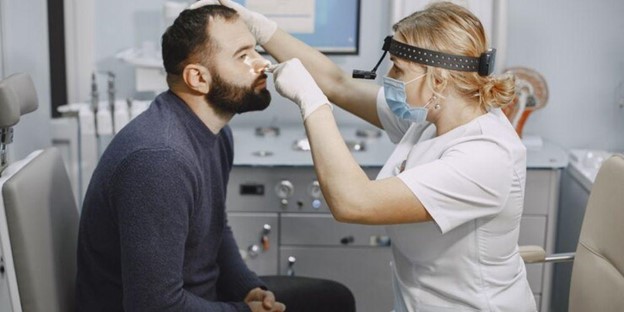
  • an examination of the nose, throat, and ears

  • nasal endoscopy (a thin camera used to view deeper areas) when needed

  • a CT scan when chronic sinusitis is suspected, or surgery is being considered

  • allergy assessment when symptoms suggest an allergic cause

This process helps move you from trial-and-error treatment to a plan based on the real cause of your congestion.

When sinus surgery is considered

Sinus surgery is typically considered when:

  • Symptoms persist despite appropriate medical treatment

  • Nasal endoscopy or CT findings show blocked drainage pathways, polyps, or significant narrowing.

  • The quality of life is significantly affected.

Modern sinus surgery is often endoscopic (through the nostrils). Your sinus surgeon should explain what surgery can improve, expected recovery, and the importance of ongoing care (especially if allergies or inflammation remain).

Key takeaway: a practical plan that works for many patients

For many people with chronic congestion, the most effective starting plan includes:

  • daily saline rinses

  • consistent, correctly used steroid nasal spray

  • allergy management if symptoms point to allergic triggers

  • avoiding prolonged use of decongestant sprays

  • ENT review if symptoms persist, recur often, or affect smell/sleep

Chronic congestion can be frustrating, but it is often highly manageable once the cause is correctly identified and treated. For more relief tips for chronic sinus, check out this article https://betterthisworld.com/tips-tricks/ent-specialist-shares-relief-tips-for-chronic-sinus-and-ear-infections/

If your symptoms have been ongoing for weeks, or you are repeatedly stuck in the same cycle, consulting an ENT sinus specialist can be the step that finally brings clarity—and lasting relief.


CFFSI

How Nose and Sinus Conditions Are Diagnosed By ENT Specialist

How Nose and Sinus Conditions Are Diagnosed By ENT Specialist

Introduction: Understanding the Diagnosis of Nose and Sinus Conditions

Nose and sinus problems are among the most frequent reasons patients seek specialist care. While symptoms such as nasal blockage, facial pressure, or recurrent infections may appear straightforward, the underlying causes are often complex and varied. This makes an accurate diagnosis essential before any treatment decisions are made.

In Singapore, ENT specialists follow a structured, evidence-based diagnostic approach to identify the exact cause of nose and sinus conditions. This article explains how these conditions are assessed and diagnosed, helping patients better understand what happens during a specialist consultation and why each step matters.

Understanding Nose and Sinus Conditions

The nose and sinuses are responsible for filtering air, regulating airflow, and supporting normal breathing. When inflammation or structural problems occur, symptoms can extend beyond nasal discomfort and affect sleep, concentration and overall well-being.

Common nose and sinus conditions include chronic sinusitis, allergic rhinitis, nasal polyps, septal deviation, and recurrent nosebleeds. Many of these conditions share similar symptoms, which is why a proper diagnostic process is critical. Treating symptoms alone without identifying the root cause often leads to incomplete or temporary relief.

When a Specialist Assessment Is Necessary

When a Specialist Assessment Is Necessary

Short-term nasal symptoms caused by viral infections often resolve on their own. However, persistent or worsening symptoms may indicate an underlying condition that requires specialist evaluation.

Referral for assessment is usually recommended when nasal congestion lasts several weeks despite medication, sinus infections recur frequently, or facial pain becomes ongoing. Other warning signs include a reduced sense of smell, repeated nosebleeds, or breathing difficulties during sleep. Early review by an ENT specialist in Singapore allows for timely diagnosis and helps prevent long-term complications.

Initial Clinical Assessment by an ENT Specialist

Comprehensive Medical History

Diagnosis begins with a detailed discussion of the patient’s symptoms. This includes how long symptoms have been present, whether they fluctuate or worsen over time, and what triggers or relieves them.

Past history of allergies, asthma, respiratory infections and previous treatments is carefully reviewed. Understanding how symptoms affect daily activities and sleep provides important insight into disease severity and guides further investigations.

Physical Examination

A focused physical examination follows the clinical history. The external nose is assessed, and the nasal passages are examined to evaluate airflow and visible inflammation.

The ears, throat, and neck are also checked, as nose and sinus conditions often coexist with other ENT-related issues. This holistic assessment ensures contributing factors are not missed.

Key Diagnostic Tools Used in Nose and Sinus Assessment

Key Diagnostic Tools Used in Nose and Sinus Assessment

Nasal Endoscopy

Nasal endoscopy is a cornerstone of modern ENT diagnosis. A thin, flexible camera is gently passed into the nasal cavity after the application of a topical anaesthetic.

This allows direct visualisation of deeper nasal structures and sinus drainage pathways. Inflammation, infection, nasal polyps, and anatomical abnormalities can be identified accurately, making this one of the most valuable diagnostic tools available.

Imaging Studies

When deeper sinus structures need evaluation, imaging is required. A CT scan of the sinuses provides detailed images of the sinus cavities and surrounding anatomy.

Imaging helps confirm chronic sinus disease, detect blockages, and identify structural issues that may not be visible on examination alone. It is especially important when symptoms persist or when surgical intervention is being considered.

Allergy Assessment

Allergic inflammation is a common contributor to chronic nasal symptoms. When an allergy is suspected, specific testing may be recommended to identify triggers.

Confirming allergic causes allows for targeted management strategies and helps differentiate allergic rhinitis from non-allergic conditions that may present in a similar way.

Microbiological Testing

In selected cases, samples from nasal or sinus secretions may be taken for laboratory analysis. This is usually reserved for recurrent or treatment-resistant infections.

Identifying bacterial or fungal organisms supports more precise medical management and avoids unnecessary use of broad-spectrum medications.

Functional and Sensory Testing

Some patients experience impaired smell or airflow without obvious structural disease. In such cases, additional functional tests may be used.

Smell testing assesses olfactory function, while airflow assessments help evaluate nasal breathing efficiency. These tests provide objective information that supports clinical findings.

Differentiating Between Similar Conditions

Many nose and sinus conditions overlap in symptoms, making careful differentiation essential. Allergic rhinitis and chronic sinusitis, for example, may both cause congestion but require different treatment approaches.

Structural abnormalities can mimic inflammatory disease, while long-standing inflammation may lead to secondary structural changes. Accurate diagnosis ensures treatment is targeted and avoids unnecessary procedures.

How Diagnostic Findings Guide Treatment Decisions

Once all diagnostic information is gathered, findings are integrated into a personalised management plan. Mild inflammatory conditions may respond well to medication alone.

More complex cases involving structural issues or chronic disease may require procedural or surgical intervention. A sinus specialist in Singapore uses diagnostic findings to determine the most appropriate and effective course of treatment for each patient.

What Patients Can Expect During Diagnostic Appointments

Many patients feel uncertain about diagnostic procedures, particularly nasal endoscopy or imaging. These assessments are generally quick, safe, and well-tolerated.

Most results are reviewed and explained during the consultation or shortly afterwards. Clear communication ensures patients understand their diagnosis and are involved in decisions about their care.

Conclusion

Accurate diagnosis is the foundation of effective treatment for nose and sinus conditions. Symptoms alone rarely tell the full story, which is why a structured diagnostic approach is essential.

Through careful history-taking, examination, and appropriate investigations, an ENT doctor can identify the underlying cause of symptoms and guide targeted treatment. Early and accurate diagnosis not only improves symptom control but also supports long-term nasal and sinus health.

CFFSI

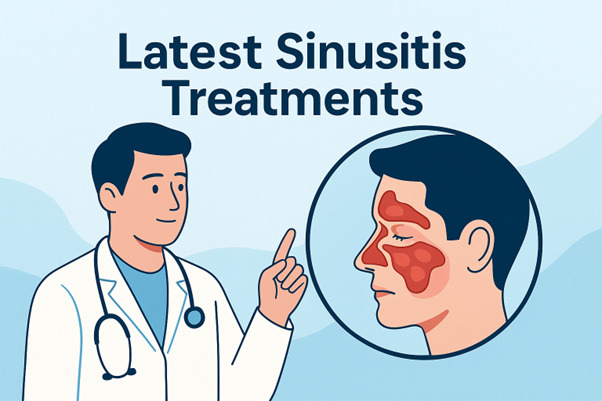
The Latest Sinusitis Treatments in Singapore: From Medication to Endoscopic Sinus Surgery

The Latest Sinusitis Treatments in Singapore - From Medication to Endoscopic Sinus Surgery

Introduction: A New Era of Sinus Relief in Singapore

Sinus problems are far more common than most people realise. The constant congestion, pressure, and facial pain can be frustrating and even debilitating. In Singapore’s humid climate—where allergens, pollution, and structural nasal issues often converge—sinusitis is a frequent complaint. Fortunately, medical advancements have made sinusitis treatment in Singapore more effective, less invasive, and faster to recover from than ever before.

This article walks you through the modern spectrum of care — from simple medical therapies to sophisticated sinus surgery — to help you understand when each option might be right for you.

Understanding Sinusitis

What Exactly Is Sinusitis?

Sinusitis refers to inflammation or infection of the sinus cavities — air-filled spaces around the nose and eyes. When the drainage pathways become blocked, mucus builds up, leading to pain, congestion, and sometimes infection.

Doctors classify sinusitis as acute (lasting less than 12 weeks) or chronic (persisting beyond 12 weeks). Chronic cases often require a more detailed evaluation to identify underlying factors such as allergies, nasal polyps, or a deviated septum.

Why Diagnosis Matters

Many people confuse sinusitis with the common cold. While both cause nasal congestion, sinusitis often brings facial pressure, thick nasal discharge, and a reduced sense of smell. Accurate diagnosis through a proper ENT assessment ensures the correct treatment plan is chosen, especially when symptoms linger despite over-the-counter remedies.

How Sinusitis Is Diagnosed in Singapore

ENT specialists in Singapore use a combination of advanced diagnostic tools to assess sinus conditions accurately. A detailed medical history usually comes first, covering symptom duration, prior treatments, allergies, and lifestyle factors. Next, a nasal endoscopy may be performed using a thin, lighted camera to inspect the nasal cavity and sinus openings.

If chronic or complicated sinusitis is suspected, a CT scan provides a clear view of the sinus structure, identifying blockages, infection, or polyps. Allergy testing or nasal swabs may also be done when underlying triggers need to be addressed. This thorough approach ensures that the chosen sinusitis treatment in Singapore is both targeted and effective.

Medical and Non-Surgical Sinusitis Treatments

First-Line Relief

Most sinus problems can be managed effectively with medication and lifestyle adjustments. Saline nasal rinses are often recommended to flush out mucus and allergens, improving sinus drainage naturally. Staying well-hydrated, using a humidifier, and getting adequate rest are simple yet powerful steps.

Pharmacological Treatments

Doctors may prescribe several types of medication, depending on the cause and severity of the sinus infection:

  • Antibiotics: Used for bacterial sinusitis, typically for short courses.

  • Nasal corticosteroid sprays: Reduce inflammation, swelling, and polyp size in chronic sinusitis.

  • Oral corticosteroids: Reserved for severe inflammation or polyp-related cases.

  • Antihistamines and decongestants: Beneficial for allergy-related sinus congestion.

For patients with recurrent sinusitis linked to allergies, immunotherapy may be considered to reduce sensitivity over time.

Addressing Root Causes

A holistic sinus treatment in Singapore often means identifying what’s driving the inflammation. Allergy control, managing asthma, quitting smoking, and treating structural nasal issues can prevent recurrence. Regular reviews with an ENT specialist ensure that symptoms are properly monitored and managed before they progress.

When to Consider Sinus Surgery

When to Consider Sinus Surgery

While most sinus infections improve with medication, some patients experience ongoing congestion, facial pain, or repeated infections despite months of medical therapy. In these cases, sinus surgery may be necessary.

Surgery is usually recommended when there is:

  • Chronic sinusitis lasting longer than 12 weeks despite optimal treatment.

  • Structural issues like a deviated septum or enlarged turbinates.

  • Nasal polyps are blocking sinus drainage.

  • Complications such as eye or bone infection.

An ENT specialist will always evaluate non-surgical options first. When surgery is required, it’s performed with a clear goal — to restore normal sinus drainage and ventilation, not merely to remove tissue.

The Modern Standard: Endoscopic Sinus Surgery

What Is Endoscopic Sinus Surgery (ESS)?

Endoscopic sinus surgery has revolutionised sinus care in Singapore. Instead of external incisions, this minimally invasive procedure is performed entirely through the nostrils using a small endoscope equipped with a camera and fine surgical instruments.

The surgeon gently opens blocked sinus passages, removes inflamed tissue or polyps, and improves airflow. This procedure not only relieves symptoms but also enhances the effectiveness of ongoing medical therapy.

Advanced Techniques and Safety

Modern ESS often incorporates image-guided systems, allowing surgeons to operate with remarkable precision and safety. Balloon sinuplasty, another minimally invasive option, uses a tiny balloon to dilate sinus openings without removing tissue — suitable for select cases of mild to moderate disease.

Because these surgeries are performed under endoscopic guidance, patients experience minimal bleeding, shorter recovery times, and significantly less discomfort.

Recovery and Aftercare

Post-surgery, mild congestion and nasal discharge are expected for the first week or two. Most patients can resume normal activities within one to two weeks. Regular follow-up appointments allow the surgeon to clean healing areas and monitor recovery progress.

Nasal irrigation remains an important part of aftercare, helping to keep the sinus passages clear and free of debris. Patients are also advised to manage allergies and avoid environmental irritants to reduce the risk of recurrence.

Choosing the Right Sinus Specialist in Singapore

Choosing the Right Sinus Specialist in Singapore

Selecting an experienced ENT specialist is essential for successful outcomes. Look for an MOH-accredited ENT surgeon with specific expertise in sinus and rhinology.

Key points to consider include:

  • Proven experience with endoscopic and image-guided sinus surgery.

  • Access to modern diagnostic tools and comprehensive post-operative care.

  • A clear, patient-centred approach that explains all available options, risks, and expected outcomes.

A good sinus specialist doesn’t just perform surgery — they partner with patients to manage long-term health through a personalised care plan.

Emerging Treatments and Future Directions

The field of sinus care continues to evolve, with newer options being explored globally and gradually becoming available in Singapore.

Biologic therapies, for example, are targeted medications that work at the molecular level to reduce inflammation in chronic sinusitis with nasal polyps. These may be considered for patients who cannot undergo surgery or whose symptoms persist post-operatively.

Additionally, office-based minimally invasive procedures are gaining traction, providing quicker recovery with less downtime for suitable candidates.

The future of sinusitis treatment in Singapore is increasingly moving toward personalised, precision-based care that combines medical therapy, surgical innovation, and lifestyle management.

Practical Advice for Patients

When to Seek Help

Don’t ignore sinus symptoms that persist beyond 10 days or keep recurring several times a year. Warning signs include facial pain, pressure, nasal blockage, thick discharge, or loss of smell. These may indicate chronic sinusitis needing specialist evaluation.

What to Expect at Your Appointment

Your ENT doctor will discuss your symptoms, conduct an endoscopic examination, and may order imaging if necessary. Based on the findings, you’ll receive a tailored treatment plan — ranging from medication and nasal therapy to surgery if required.

Aftercare and Prevention

Recovery doesn’t end after your symptoms subside. Ongoing care includes daily saline rinses, consistent use of prescribed nasal sprays, and managing allergies or environmental triggers.

Patients who undergo sinus surgery should follow up regularly for cleaning and assessment. Most importantly, maintain realistic expectations — surgery and medication manage the condition effectively, but ongoing care ensures lasting relief.

Conclusion

Sinusitis can significantly affect one’s quality of life, but modern advances have made sinusitis treatment in Singapore more effective than ever. From advanced medications and non-surgical therapies to sophisticated sinus surgery in Singapore, patients today have access to safe, minimally invasive, and tailored solutions.

If chronic sinus issues are affecting your comfort, concentration, or sleep, it’s time to consult an ENT specialist. With expert guidance and modern care, breathing freely again is entirely achievable.

CFFSI

Sinus Specialist Guide: Conditions That May Need Surgery

Sinus Specialist Guide - Conditions That May Need Surgery

Introduction: Understanding When Sinus Surgery May Be Necessary

Sinus conditions are common, but not all cases require surgery. Many patients experience nasal congestion, facial pressure, headaches, or recurring infections that can often be managed with medication and lifestyle adjustments. However, if symptoms continue or complications develop, it is important to see a sinus specialist to assess whether surgery may be required.

This article explores the key sinus conditions that may require surgical treatment, with a focus on safe, evidence‑based decision‑making.

Understanding Sinus Disease

Understanding Sinus Disease

What Are the Sinuses?

The sinuses are air‑filled cavities located within the bones of the face and skull. They are lined with mucous membranes and are connected to the nasal cavity through narrow drainage pathways. Healthy sinuses rely on proper airflow and mucus clearance to function effectively.

When these drainage pathways become blocked or inflamed, mucus can accumulate. This creates an environment where infection and chronic inflammation may develop.

Types of Sinusitis

Sinusitis is broadly classified based on symptom duration and pattern. Acute sinusitis typically lasts less than four weeks, while subacute sinusitis may persist for up to three months. Chronic sinusitis is diagnosed when symptoms last longer than 12 weeks despite appropriate medical treatment.

Recurrent acute sinusitis refers to multiple episodes of acute infection within a year, with complete resolution between episodes. Each category has different implications for management and potential surgical considerations.

When Is Sinus Surgery Considered?

Sinus surgery is never the first step in managing sinus disease. Most patients improve with medication such as nasal sprays, saline irrigation, antibiotics when indicated, and control of underlying triggers like allergies.

Surgical treatment is considered when symptoms persist despite adequate medical therapy, when anatomical blockages prevent proper drainage, or when complications threaten surrounding structures. The goal of surgery is to improve ventilation and drainage, not simply to remove tissue.

Conditions That May Require Surgical Treatment

Conditions That May Require Surgical Treatment

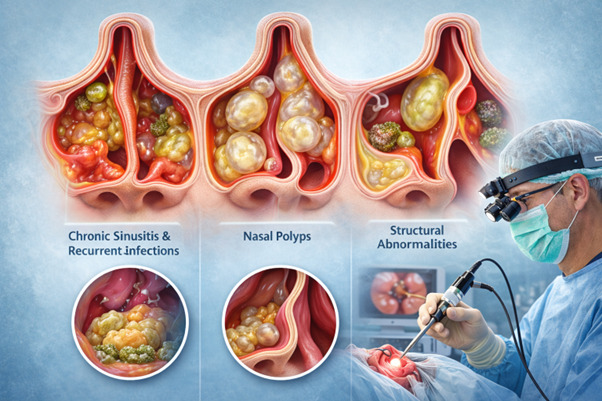
Chronic Sinusitis

Chronic sinusitis is one of the most common reasons patients are referred to a sinus surgeon in Singapore. Ongoing inflammation causes persistent nasal blockage, facial pressure, post‑nasal drip, and a reduced sense of smell.

When medical treatment fails to control symptoms, surgery may be recommended to open blocked sinus pathways and allow topical medications to work more effectively.

Recurrent Sinus Infections

Some patients experience repeated sinus infections throughout the year, even after appropriate treatment. These recurring episodes can significantly affect work, sleep, and overall quality of life.

Surgery may be considered when imaging shows poor sinus drainage or structural narrowing that predisposes the patient to repeated infections.

Nasal Polyps

Nasal polyps are soft, non‑cancerous growths arising from chronically inflamed nasal or sinus lining. They can obstruct airflow and block sinus drainage, leading to persistent congestion and infection.

When polyps are extensive or recur despite medication, surgical removal may be necessary to restore nasal breathing and reduce infection risk.

Structural Abnormalities Affecting Sinus Drainage

Certain anatomical variations can impair sinus ventilation. These include a deviated nasal septum, enlarged turbinates, or air‑filled structures that narrow sinus openings.

Surgery aims to correct these structural issues to improve airflow and reduce the likelihood of mucus retention and infection.

Fungal or Atypical Sinus Disease

In some cases, sinus disease is caused by fungal involvement or unusual inflammatory patterns. These conditions often do not respond well to standard medication alone.

Surgical removal of diseased tissue is usually required to clear infection, obtain accurate diagnosis, and prevent further complications.

Complicated Sinus Infections

Severe sinus infections can occasionally spread beyond the sinuses to nearby areas such as the eyes or skull base. These situations require urgent specialist management.

Surgery may be necessary to drain infected sinuses and reduce pressure on surrounding structures.

Persistent Disease After Previous Surgery

Some patients continue to experience symptoms even after earlier sinus procedures. This may be due to scar tissue, incomplete drainage, or progression of disease.

Revision surgery may be recommended following careful reassessment and imaging to address remaining areas of obstruction.

Common Surgical Procedures Used in Sinus Treatment

Functional Endoscopic Sinus Surgery (FESS)

FESS is the most widely used technique for treating chronic and recurrent sinus disease. It is performed using endoscopes inserted through the nostrils, avoiding external incisions.

The procedure focuses on enlarging natural sinus openings to restore ventilation while preserving healthy tissue.

Balloon‑Based Sinus Procedures

Balloon dilation is a minimally invasive option suitable for selected patients with isolated sinus blockage. A small balloon is used to widen narrowed drainage pathways.

This approach may be recommended for specific sinus patterns rather than widespread disease.

Polyp Removal and Targeted Tissue Clearance

In cases involving nasal polyps or inflamed tissue, targeted removal is performed to relieve obstruction. Care is taken to minimise trauma to surrounding structures.

This allows better delivery of long‑term medical treatment after surgery.

Diagnostic and Pre‑Operative Assessment

Clinical Evaluation

A detailed history and physical examination are essential before considering surgery. Symptoms, frequency of infections, response to medication, and impact on daily life are carefully assessed.

Nasal endoscopy allows direct visualisation of inflammation, polyps, or discharge within the nasal cavity.

Imaging Studies

CT scans of the sinuses provide detailed information about anatomy and disease extent. These images guide surgical planning and help identify structural contributors to symptoms.

Imaging is typically performed after medical treatment to ensure surgery is truly necessary.

Benefits and Risks of Sinus Surgery

Expected Benefits

The primary benefit of surgery is improved sinus drainage and airflow. Many patients experience fewer infections, reduced facial pressure, and better nasal breathing.

Surgery also enhances the effectiveness of long‑term medical therapy by improving access to the sinuses.

Potential Risks

As with any procedure, sinus surgery carries risks, though serious complications are uncommon when performed by experienced surgeons. Possible risks include bleeding, infection, and temporary changes in smell.

Careful surgical technique and proper post‑operative care help minimise these risks.

Recovery and Long‑Term Care

Post‑Operative Healing

Most patients recover gradually over several weeks. Nasal congestion and mild discomfort are common in the early phase and improve with time.

Regular follow‑up visits are important to monitor healing and clear crusting if needed.

Ongoing Management

Sinus surgery is part of a long‑term management plan rather than a standalone cure. Continued use of nasal sprays, saline rinses, and allergy control is often necessary.

This approach helps maintain surgical results and reduce recurrence.

Choosing the Right Specialist

Selecting an ENT surgeon with experience in sinus disease is essential. A thorough diagnostic process, clear explanation of options, and personalised treatment planning are key factors in achieving good outcomes.

Patients considering sinus surgery in Singapore should feel confident that surgery is recommended only when clearly indicated and supported by clinical findings.

Conclusion

Sinus surgery plays an important role in managing selected sinus conditions that do not respond to medical treatment alone. Chronic inflammation, recurrent infections, structural blockage, and complicated disease are among the situations where surgery may be beneficial.

With careful evaluation, appropriate surgical techniques, and long‑term follow‑up, many patients achieve meaningful relief and improved quality of life.

CFFSI

Sinus Surgeon vs Sinus Specialist in Singapore: How to Choose the Right Sinus Doctor

Finding the Best Sinus Doctor in Singapore

Finding the Best Sinus Doctor in Singapore: Surgeon vs Specialist Explained

If you’ve been living with a blocked nose, facial pressure, post-nasal drip or endless “sinus infections”, you’ve probably started Googling phrases like “sinus surgeon Singapore”, “sinus specialist Singapore”, or “sinus doctor Singapore”. 

Very quickly, you’ll see a mix of titles – ENT specialist, sinus surgeon, rhinologist, endoscopic sinus surgeon – and it’s not always clear who you actually need.

This guide breaks things down in simple, practical terms so you can understand the difference, know when surgery might be on the table, and choose the right sinus doctor in Singapore for your situation.

1. First Things First: What Exactly Is a Sinus Doctor?

In Singapore, most people who call themselves a sinus doctor, sinus specialist or sinus surgeon are actually ENT specialists (also called otolaryngologists). ENT specialists are medically and surgically trained doctors who diagnose and treat conditions of the ear, nose, throat, head and neck.

Because the sinuses sit around and behind the nose, sinus disease is a core part of ENT training. Many ENT specialists then go further and sub-specialise in rhinology (nose and sinus disorders) and endoscopic sinus surgery.

So, when you see:

  • Sinus doctor Singapore – usually a general term for an ENT specialist who manages sinus problems.

  • Sinus specialist Singapore – an ENT specialist with a particular interest and experience in sinus and nasal conditions.

  • Sinus surgeon Singapore – an ENT specialist who not only treats sinus disease but also regularly performs sinus surgery such as Functional Endoscopic Sinus Surgery (FESS).

In many clinics, the sinus specialist and sinus surgeon are actually the same doctor, but the terminology used in marketing and websites can differ.

2. Common Sinus Problems These Doctors Treat

A sinus doctor in Singapore typically manages conditions such as:

  • Chronic rhinosinusitis (persistent sinus inflammation lasting more than 12 weeks)

  • Recurrent “sinus infections”

  • Nasal allergies contribute to a blocked nose and sinus pressure

  • Nasal polyps

  • Deviated nasal septum with breathing issues

  • Fungal sinus disease or complex sinus disorders

Symptoms that suggest it’s time to see a sinus specialist in Singapore include:

  • Blocked nose and facial pressure lasting more than a few weeks

  • Thick nasal discharge or post-nasal drip that isn’t improving

  • Reduced or lost sense of smell

  • Frequent “sinus headaches”

  • Repeated courses of antibiotics with only short-term relief

  • Snoring or sleep disruption related to a blocked nose

ENT (otolaryngology) specialists are specifically trained to manage these conditions, both medically and surgically.

What Does a Sinus Specialist in Singapore Actually Do

3. What Does a Sinus Specialist in Singapore Actually Do?

A sinus specialist focuses on diagnosing and medically managing sinus disease before jumping to surgery. A typical consultation may include:

3.1 Detailed Assessment

  • Symptom history and previous treatments

  • Triggers (allergies, environment, infections, work or air-conditioning exposure)

  • Review of prior scans or reports

3.2 Nasal Endoscopy

Most sinus specialists will perform a nasal endoscopy (also called nasendoscopy): a thin, flexible or rigid scope with a light and camera is gently passed into the nose to visualise the nasal cavity and sinus openings. This helps identify structural problems, inflammation, polyps or infection.

3.3 Medical Treatment First

Before considering a sinus surgeon, most patients will go through optimised medical therapy, which can include:

  • Nasal saline rinses or sprays

  • Topical steroid sprays or irrigations

  • Antihistamines or allergy control

  • Short courses of oral steroids (if appropriate)

  • Antibiotics, if there is a bacterial infection

  • Lifestyle or environmental modifications

For many people, especially those with mild to moderate disease, a sinus specialist can control symptoms without surgery.

4. What Does a Sinus Surgeon in Singapore Do?

A sinus surgeon is usually the same ENT/sinus specialist, but now wearing their surgical hat. They come in when:

  • Your symptoms persist despite well-conducted medical therapy

  • CT scans show significant sinus blockage, polyps, or complicated disease

  • There are complications such as eye or skull-base involvement

  • There is an associated structural problem, like marked septal deviation or narrow sinus drainage pathways

4.1 Functional Endoscopic Sinus Surgery (FESS)

The most common operation performed by a sinus surgeon in Singapore is Functional Endoscopic Sinus Surgery (FESS). This minimally invasive procedure uses tiny cameras and instruments passed through the nostrils (no external cuts) to:

  • Remove diseased tissue or polyps

  • Open up blocked sinus drainage pathways

  • Restore normal ventilation and drainage of the sinuses

FESS aims to improve symptoms like chronic blockage, facial pressure and recurrent infections. It also helps topical medications reach the sinus cavities more effectively afterwards.

4.2 Benefits and Risks – In Brief

Most studies show that FESS significantly improves quality of life for a majority of patients with chronic rhinosinusitis, with reported success rates around 80–90% in adults.

However, like any surgery, there are risks, even if they are uncommon. These can include bleeding, infection, cerebrospinal fluid leak, and, very rarely, damage to the eye or surrounding structures because the sinuses sit close to the eyes and brain.

A good sinus surgeon will explain these risks clearly, talk through alternatives, and make sure surgery is genuinely warranted.

Sinus Surgeon vs Sinus Specialist - What’s the Real Difference

5. Sinus Surgeon vs Sinus Specialist: What’s the Real Difference?

In practice, the difference is more about emphasis and expertise than about two completely separate professions:

  • A sinus specialist Singapore:

    • Focuses on diagnosis and medical management.

    • Has a deep understanding of sinus anatomy, allergy, and inflammation.

    • May also perform surgery, but their initial role is often to explore non-surgical options.

  • A sinus surgeon Singapore:

    • Is an ENT/sinus specialist who regularly performs sinus surgery, especially FESS and related procedures.

    • Often has subspecialty fellowship training in rhinology or sinus and skull-base surgery.

    • Is the person you want if your condition is complex or clearly surgical from the outset?

In Singapore, many MOH-accredited ENT surgeons list sinus and nasal disease as a special interest, reflecting advanced training and experience in this area.

For most patients, you do not need to decide at the start whether you need a “surgeon” or a “specialist” – you simply need a qualified sinus doctor Singapore who can assess you and then guide you down the most appropriate path.

6. When Should You See a Sinus Doctor in Singapore?

See your GP or family doctor first for mild, short-lived sinus symptoms. But it’s wise to book an appointment with a sinus specialist if you notice:

  • Symptoms lasting more than 12 weeks (chronic rhinosinusitis)

  • Four or more sinus “infections” per year

  • Persistent congestion on one side of the nose

  • Facial pain, pressure, or headaches centred around the cheeks, forehead or between the eyes

  • Thick, coloured nasal discharge or constant post-nasal drip

  • Loss or change in your sense of smell

  • Snoring or sleep problems linked with nasal obstruction

Otolaryngologists (ENT doctors) are specifically trained to manage chronic sinus pressure, nasal congestion, and related conditions.

If there are red-flag symptoms such as eye swelling, visual changes, severe headache, high fever,or neurological symptoms, seek urgent medical help – these can signal serious complications.

7. How to Choose the Right Sinus Doctor in Singapore

Here’s a step-by-step way to narrow down your options and choose between the many ENT/sinus clinics advertising online.

7.1 Check Credentials and Accreditation

In Singapore, you’ll want an ENT specialist who:

  • Is accredited in Otorhinolaryngology (ENT) by the Ministry of Health (MOH) and Singapore Medical Council (SMC)

  • Is listed on the MOH Specialist Register as an ENT or Otorhinolaryngology specialist

  • Often holds additional fellowship training or membership in recognised ENT or rhinology societies (e.g., European or American Rhinologic Society)

Most reputable clinics list their doctors’ degrees, fellowships, and professional memberships clearly on their websites.

7.2 Look for a Nose and Sinus Focus

If your primary problem is sinus disease, look for terms like:

  • “Special interest in nose and sinus diseases”

  • “Rhinology and endoscopic sinus surgery”

  • “Endoscopic skull-base surgery”

  • “Nasal polyps and chronic sinusitis”

These phrases suggest the doctor spends a significant portion of their practice on sinus patients, not just general ENT.

7.3 Ask About Their Approach to Treatment

A good sinus specialist Singapore will:

  • Emphasise medical therapy first, where appropriate

  • Use nasal endoscopy and, when indicated, CT scans to get an accurate diagnosis

  • Discuss lifestyle, allergy, and environmental factors

  • Explain clearly when and why surgery may be beneficial

If you already know you may need surgery, ask:

  • How often do they perform FESS or other sinus operations

  • In which hospitals do they operate

  • What the expected recovery looks like, and how they follow up afterwards

7.4 Consider Communication Style and Comfort

You’re likely to see your sinus doctor a few times over months or even years, especially with chronic disease. It helps if:

  • You feel comfortable asking questions

  • Explanations are clear and not rushed

  • You receive written information or diagrams to take home

  • The doctor is open about pros and cons of different options, including doing nothing immediately

7.5 Practical Details: Location, Cost and Insurance

  • Clinic location & operating hospitals – helpful if you prefer a specific area or hospital group.

  • Consultation fees and procedural costs – many ENT clinics in Singapore now provide indicative pricing for consultation, nasendoscopy and other procedures so patients can plan ahead.

  • Insurance and Medisave – check whether the doctor’s clinic helps with insurance claims or Medisave-usable procedures, if applicable to your situation.

8. Do You Always Need a Sinus Surgeon?

Not at all. Many people:

  • Improve with consistent nasal sprays and saline rinses

  • Benefit from allergy control or immunotherapy

  • Need only short procedures like polyp removal in clinic

  • Never progress to full sinus surgery

However, if your quality of life is strongly affected despite good medical care, or if imaging shows severe disease, surgery can be a powerful tool to reset your sinuses, improve airflow and drainage, and make medications work better.

The key is not to delay evaluation for too long – early assessment by a sinus doctor Singapore can prevent years of unnecessary suffering.

9. Smart Questions to Ask Your Sinus Specialist or Surgeon

When you finally sit down with a sinus specialist Singapore or sinus surgeon Singapore, consider asking:

  1. What do you think is causing my sinus symptoms?

  2. Which tests do I actually need – nasal endoscopy, CT scan, allergy tests?

  3. What are my non-surgical treatment options, and how long should we try them?

  4. If you’re recommending surgery, what exactly will you do and why?

  5. What are the benefits and realistic goals of surgery for my case?

  6. What are the risks and possible complications, and how often do you see them?

  7. How many sinus surgeries do you perform each year?

  8. What will recovery look like – time off work, pain, nasal care, follow-up appointments?

  9. Will I need to continue nasal sprays or treatments after surgery?

A good sinus doctor will welcome these questions and answer in a way that feels thorough, honest, and understandable.

10. The Bottom Line: Choosing the Right Sinus Doctor in Singapore

  • “Sinus specialist Singapore” and “sinus surgeon Singapore” usually refer to the same core specialty – ENT/otolaryngology – but highlight slightly different aspects of the doctor’s practice (medical management vs surgical expertise).

  • What matters most is not the label but the doctor’s training, experience, subspecialty interest in rhinology and endoscopic sinus surgery, communication style, and overall approach to your care.

  • If you’re experiencing long-standing sinus symptoms, it’s sensible to see a qualified sinus doctor in Singapore early, rather than living indefinitely with a blocked nose, facial pressure, and recurring infections.

With the right sinus specialist on your side, you can move from constant congestion and “sinus misery” towards clearer breathing, better sleep, and a much more comfortable life.

Scroll to Top