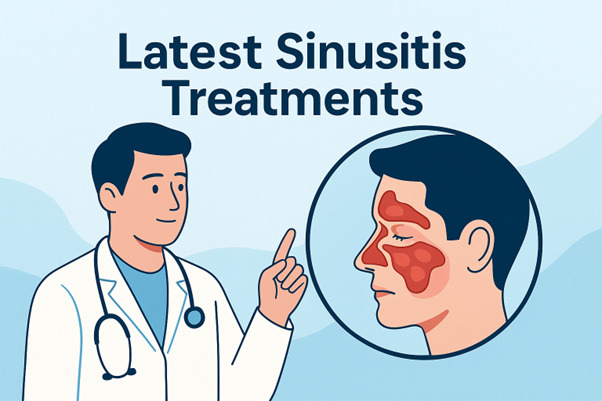
Introduction: A New Era of Sinus Relief in Singapore
Sinus problems are far more common than most people realise. The constant congestion, pressure, and facial pain can be frustrating and even debilitating. In Singapore’s humid climate—where allergens, pollution, and structural nasal issues often converge—sinusitis is a frequent complaint. Fortunately, medical advancements have made sinusitis treatment in Singapore more effective, less invasive, and faster to recover from than ever before.
This article walks you through the modern spectrum of care — from simple medical therapies to sophisticated sinus surgery — to help you understand when each option might be right for you.
Understanding Sinusitis
What Exactly Is Sinusitis?
Sinusitis refers to inflammation or infection of the sinus cavities — air-filled spaces around the nose and eyes. When the drainage pathways become blocked, mucus builds up, leading to pain, congestion, and sometimes infection.
Doctors classify sinusitis as acute (lasting less than 12 weeks) or chronic (persisting beyond 12 weeks). Chronic cases often require a more detailed evaluation to identify underlying factors such as allergies, nasal polyps, or a deviated septum.
Why Diagnosis Matters
Many people confuse sinusitis with the common cold. While both cause nasal congestion, sinusitis often brings facial pressure, thick nasal discharge, and a reduced sense of smell. Accurate diagnosis through a proper ENT assessment ensures the correct treatment plan is chosen, especially when symptoms linger despite over-the-counter remedies.
How Sinusitis Is Diagnosed in Singapore
ENT specialists in Singapore use a combination of advanced diagnostic tools to assess sinus conditions accurately. A detailed medical history usually comes first, covering symptom duration, prior treatments, allergies, and lifestyle factors. Next, a nasal endoscopy may be performed using a thin, lighted camera to inspect the nasal cavity and sinus openings.
If chronic or complicated sinusitis is suspected, a CT scan provides a clear view of the sinus structure, identifying blockages, infection, or polyps. Allergy testing or nasal swabs may also be done when underlying triggers need to be addressed. This thorough approach ensures that the chosen sinusitis treatment in Singapore is both targeted and effective.
Medical and Non-Surgical Sinusitis Treatments
First-Line Relief
Most sinus problems can be managed effectively with medication and lifestyle adjustments. Saline nasal rinses are often recommended to flush out mucus and allergens, improving sinus drainage naturally. Staying well-hydrated, using a humidifier, and getting adequate rest are simple yet powerful steps.
Pharmacological Treatments
Doctors may prescribe several types of medication, depending on the cause and severity of the sinus infection:
- Antibiotics: Used for bacterial sinusitis, typically for short courses.
- Nasal corticosteroid sprays: Reduce inflammation, swelling, and polyp size in chronic sinusitis.
- Oral corticosteroids: Reserved for severe inflammation or polyp-related cases.
- Antihistamines and decongestants: Beneficial for allergy-related sinus congestion.
For patients with recurrent sinusitis linked to allergies, immunotherapy may be considered to reduce sensitivity over time.
Addressing Root Causes
A holistic sinus treatment in Singapore often means identifying what’s driving the inflammation. Allergy control, managing asthma, quitting smoking, and treating structural nasal issues can prevent recurrence. Regular reviews with an ENT specialist ensure that symptoms are properly monitored and managed before they progress.
When to Consider Sinus Surgery
While most sinus infections improve with medication, some patients experience ongoing congestion, facial pain, or repeated infections despite months of medical therapy. In these cases, sinus surgery may be necessary.
Surgery is usually recommended when there is:
- Chronic sinusitis lasting longer than 12 weeks despite optimal treatment.
- Structural issues like a deviated septum or enlarged turbinates.
- Nasal polyps are blocking sinus drainage.
- Complications such as eye or bone infection.
An ENT specialist will always evaluate non-surgical options first. When surgery is required, it’s performed with a clear goal — to restore normal sinus drainage and ventilation, not merely to remove tissue.
The Modern Standard: Endoscopic Sinus Surgery
What Is Endoscopic Sinus Surgery (ESS)?
Endoscopic sinus surgery has revolutionised sinus care in Singapore. Instead of external incisions, this minimally invasive procedure is performed entirely through the nostrils using a small endoscope equipped with a camera and fine surgical instruments.
The surgeon gently opens blocked sinus passages, removes inflamed tissue or polyps, and improves airflow. This procedure not only relieves symptoms but also enhances the effectiveness of ongoing medical therapy.
Advanced Techniques and Safety
Modern ESS often incorporates image-guided systems, allowing surgeons to operate with remarkable precision and safety. Balloon sinuplasty, another minimally invasive option, uses a tiny balloon to dilate sinus openings without removing tissue — suitable for select cases of mild to moderate disease.
Because these surgeries are performed under endoscopic guidance, patients experience minimal bleeding, shorter recovery times, and significantly less discomfort.
Recovery and Aftercare
Post-surgery, mild congestion and nasal discharge are expected for the first week or two. Most patients can resume normal activities within one to two weeks. Regular follow-up appointments allow the surgeon to clean healing areas and monitor recovery progress.
Nasal irrigation remains an important part of aftercare, helping to keep the sinus passages clear and free of debris. Patients are also advised to manage allergies and avoid environmental irritants to reduce the risk of recurrence.
Choosing the Right Sinus Specialist in Singapore

Selecting an experienced ENT specialist is essential for successful outcomes. Look for an MOH-accredited ENT surgeon with specific expertise in sinus and rhinology.
Key points to consider include:
- Proven experience with endoscopic and image-guided sinus surgery.
- Access to modern diagnostic tools and comprehensive post-operative care.
- A clear, patient-centred approach that explains all available options, risks, and expected outcomes.
A good sinus specialist doesn’t just perform surgery — they partner with patients to manage long-term health through a personalised care plan.
Emerging Treatments and Future Directions
The field of sinus care continues to evolve, with newer options being explored globally and gradually becoming available in Singapore.
Biologic therapies, for example, are targeted medications that work at the molecular level to reduce inflammation in chronic sinusitis with nasal polyps. These may be considered for patients who cannot undergo surgery or whose symptoms persist post-operatively.
Additionally, office-based minimally invasive procedures are gaining traction, providing quicker recovery with less downtime for suitable candidates.
The future of sinusitis treatment in Singapore is increasingly moving toward personalised, precision-based care that combines medical therapy, surgical innovation, and lifestyle management.
Practical Advice for Patients
When to Seek Help
Don’t ignore sinus symptoms that persist beyond 10 days or keep recurring several times a year. Warning signs include facial pain, pressure, nasal blockage, thick discharge, or loss of smell. These may indicate chronic sinusitis needing specialist evaluation.
What to Expect at Your Appointment
Your ENT doctor will discuss your symptoms, conduct an endoscopic examination, and may order imaging if necessary. Based on the findings, you’ll receive a tailored treatment plan — ranging from medication and nasal therapy to surgery if required.
Aftercare and Prevention
Recovery doesn’t end after your symptoms subside. Ongoing care includes daily saline rinses, consistent use of prescribed nasal sprays, and managing allergies or environmental triggers.
Patients who undergo sinus surgery should follow up regularly for cleaning and assessment. Most importantly, maintain realistic expectations — surgery and medication manage the condition effectively, but ongoing care ensures lasting relief.
Conclusion
Sinusitis can significantly affect one’s quality of life, but modern advances have made sinusitis treatment in Singapore more effective than ever. From advanced medications and non-surgical therapies to sophisticated sinus surgery in Singapore, patients today have access to safe, minimally invasive, and tailored solutions.
If chronic sinus issues are affecting your comfort, concentration, or sleep, it’s time to consult an ENT specialist. With expert guidance and modern care, breathing freely again is entirely achievable.